1. When a Coating Actually Makes Sense
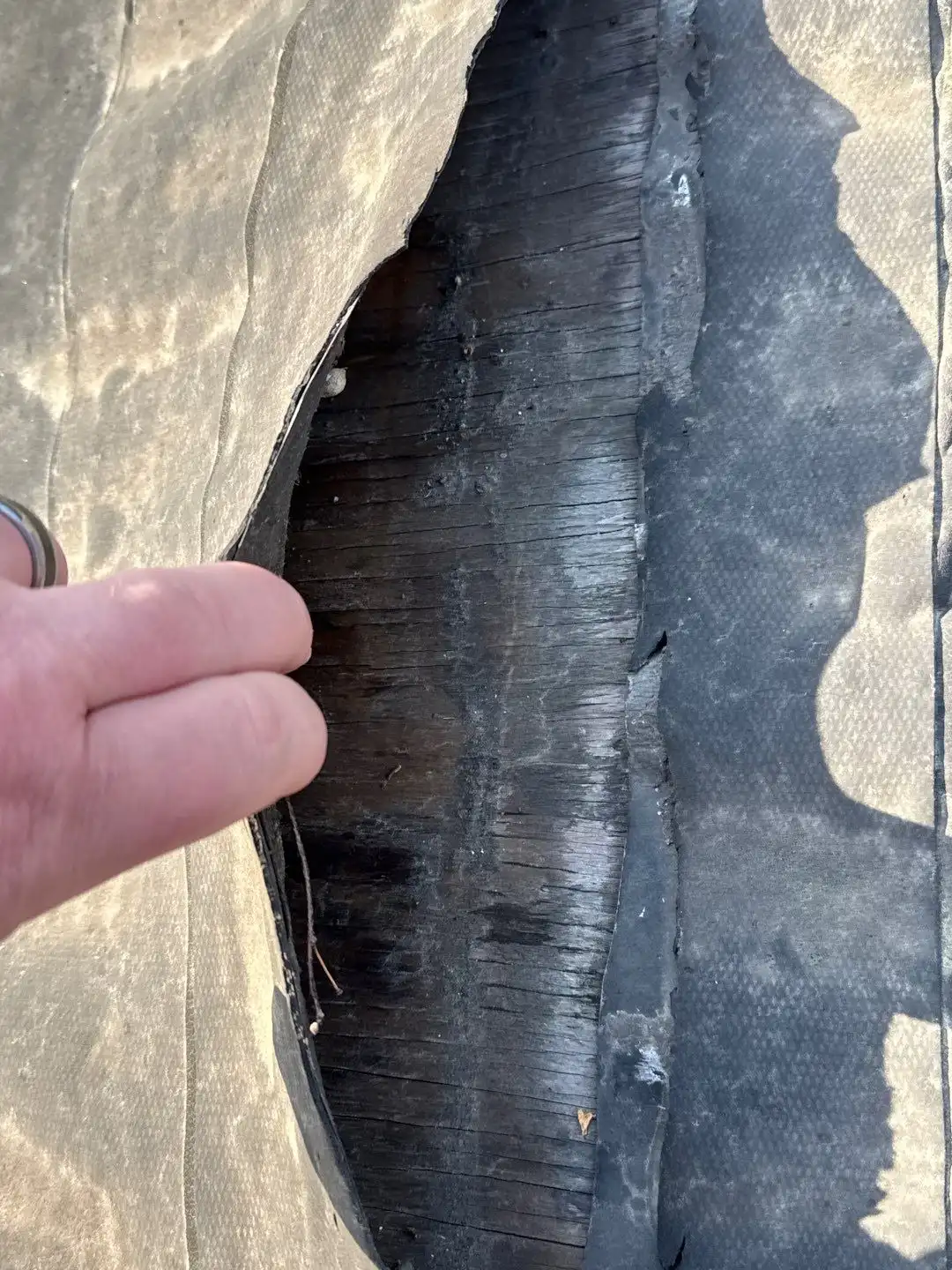
Coatings restore, they do not resurrect. Use this checklist before you spend a dollar.
- Membrane has at least 60% of its service life remaining in usable condition
- Core samples come back dry, with no saturated insulation underneath
- Seams, flashings, and penetrations can be detailed and reinforced
- Ponding water is minor and drains within 48 hours of rainfall
- Deck is structurally sound, no soft spots or rusted through metal
- Existing roof is compatible with the coating chemistry you plan to use
If three or more of these fail, read our breakdown on when to coat versus replace your commercial roof before committing.
2. Coating Systems Compared
Four chemistries dominate the Crown Point commercial market. Each has a sweet spot.
- Silicone: best for ponding water, excellent UV resistance, attracts dirt over time
- Acrylic: lowest cost, water based, struggles in standing water and cold cure conditions
- Polyurethane: highest impact and foot traffic tolerance, strong on foam roofs
- Asphalt based emulsion: niche use on aged BUR and mod bit, limited reflectivity
For a side by side on the two most common options, see our deep dive on silicone vs acrylic roof coating.
Match the chemistry to the building, not the brochure. A distribution center with rooftop foot traffic and frequent service calls is a different conversation than a single tenant office with clean drainage.
- Flat TPO with chalking and seam fatigue: silicone or acrylic both work, silicone wins on ponding
- SPF (sprayed polyurethane foam): polyurethane or silicone top coat, never bare acrylic
- EPDM nearing end of life: silicone with full primer, or acrylic if budget is tight and drainage is good
- Metal roof with rust and seam leaks: acrylic or silicone with seam tape and rust inhibitive primer
- Mod bit or BUR with granule loss: emulsion base then reflective top, or full silicone restoration
7. Warranty Tiers and What They Actually Cover
- Contractor workmanship warranty: typically 2 to 5 years, covers labor defects
- Material only manufacturer warranty: 10 years, covers product failure, not labor
- NDL (no dollar limit) system warranty: 10 to 20 years, requires certified installer and full prep documentation
- Renewable warranty: some silicone systems allow a recoat at year 10 to reset coverage
The NDL is the one that protects your investment. It also demands the most paperwork during install, which is a good thing. Ask for these documents before you sign:
- Manufacturer pre job inspection sign off
- Daily mil thickness logs with batch numbers from each pail
- Photo documentation of seam reinforcement and penetration details
- Post install manufacturer field audit report
- Registered warranty certificate in the building owner's name
4. What Drives Your Price Up or Down
- Square footage (larger jobs lower the per foot rate)
- Number of penetrations, curbs, and HVAC units to detail
- Existing roof condition and how much patching is needed before coating
- Required mil thickness for warranty (20 mil vs 30 mil dry film)
- Reinforcing fabric at seams and transitions
- Roof access, parapet heights, and staging requirements
- Power washing, biocide treatment, and primer compatibility
A few hidden cost levers that show up after the first walk through:
- Drain bowls and scuppers that need rebuilding before any coating goes down
- Pitch pans that have to be cut out, repacked, and re flashed
- Skylight curbs with cracked acrylic domes that should be replaced first
- Lightning protection cabling that needs to be lifted and reset
- Solar arrays that require a racking contractor to demobilize panels
6. Red Flags That Mean Skip the Coating
- Multiple soft spots when you walk the deck
- Visible rust perforation on metal panels or fasteners
- Wet insulation found in more than 15 to 20% of core samples
- Membrane is brittle, cracking, or already delaminating
- Active interior leaks staining ceiling tiles in several zones
- Roof has already been coated two or more times
- Hail bruising or storm damage that should go through an insurance claim instead
If storm damage is in play, start with our guide on the commercial roof insurance claim process before any coating conversation. For active leaks during the evaluation period, Crown Point Commercial Roofing prioritizes tarping and dry in work while the moisture scan and proposal are being finalized, so tenants stay protected while decisions get made.
3. Cost Ranges You Can Plan Around
9. Coating vs Replacement: The Money Math
- Coating: $2 to $5 per square foot, 10 to 20 year extension
- Replacement: $7 to $14 per square foot, 20 to 30 year lifespan
- Replacement requires tear off, disposal, and tenant disruption
- Coating keeps the existing R-value and avoids landfill cost
- Energy savings from reflective coatings can offset 10 to 30% of cooling load
There are also tax and accounting angles worth raising with your CFO before choosing a path:
- Coating is often treated as a maintenance expense, deductible in the year incurred
- Replacement is usually capitalized and depreciated over a long schedule
- Section 179 and bonus depreciation rules change frequently, confirm with your accountant
- Utility rebates exist in some Crown Point service territories for cool roof reflectivity
5. The Prep Work That Determines Success
Most coating failures are prep failures. The coating itself almost never fails first.
- Full roof inspection with infrared or capacitance moisture scan
- Core cuts pulled in suspect areas to verify dry insulation
- Power wash to remove chalking, biological growth, and surface contamination
- Repair or replace wet insulation and damaged membrane sections
- Reinforce all seams, penetrations, and flashings with fabric and base coat
- Apply primer where the substrate or coating chemistry requires it
- Apply base and top coats at manufacturer specified mil thickness
- Final inspection with wet mil and dry mil readings documented
Skipping the moisture scan is the most expensive mistake. We have seen Crown Point buildings get coated over saturated insulation only to face a full replacement two years later.
10. How to Vet a Coating Contractor
The wrong installer will burn your budget faster than the wrong product. Ask every bidder these questions.
- Are you a manufacturer certified applicator for the system you are quoting?
- How do you document mil thickness during application?
- Will the manufacturer perform a pre job and post job inspection?
- What is your protocol when a core cut comes back wet?
- Can you share three local references on similar buildings coated 3 to 5 years ago?
- Who handles warranty service calls, you or the manufacturer?
Crown Point Commercial Roofing walks Crown Point owners through this checklist on every estimate, because the answers reveal more than any line item price ever will.
8. Restoration Timeline for a Typical Crown Point Building
- Day 1: inspection, moisture scan, core cuts
- Days 2 to 3: proposal, scope, and warranty path confirmed
- Week 1 of work: power wash and dry, repairs, reinforcement
- Week 2: base coat, top coat, cure time between layers
- Final day: inspection, mil readings, warranty registration
A 30,000 square foot roof commonly wraps in 7 to 12 working days, weather permitting. Cold snaps and high humidity stretch that out, which is why fall and late spring are the busiest windows in Crown Point.