What Wind Damage to a Commercial Roof Looks Like
Wind damage to a commercial roof takes several forms, some obvious and some easy to miss, and knowing what to look for helps you recognize it. Here is what wind damage to a commercial roof looks like on a Crown Point building.
Lifted or Torn Membrane
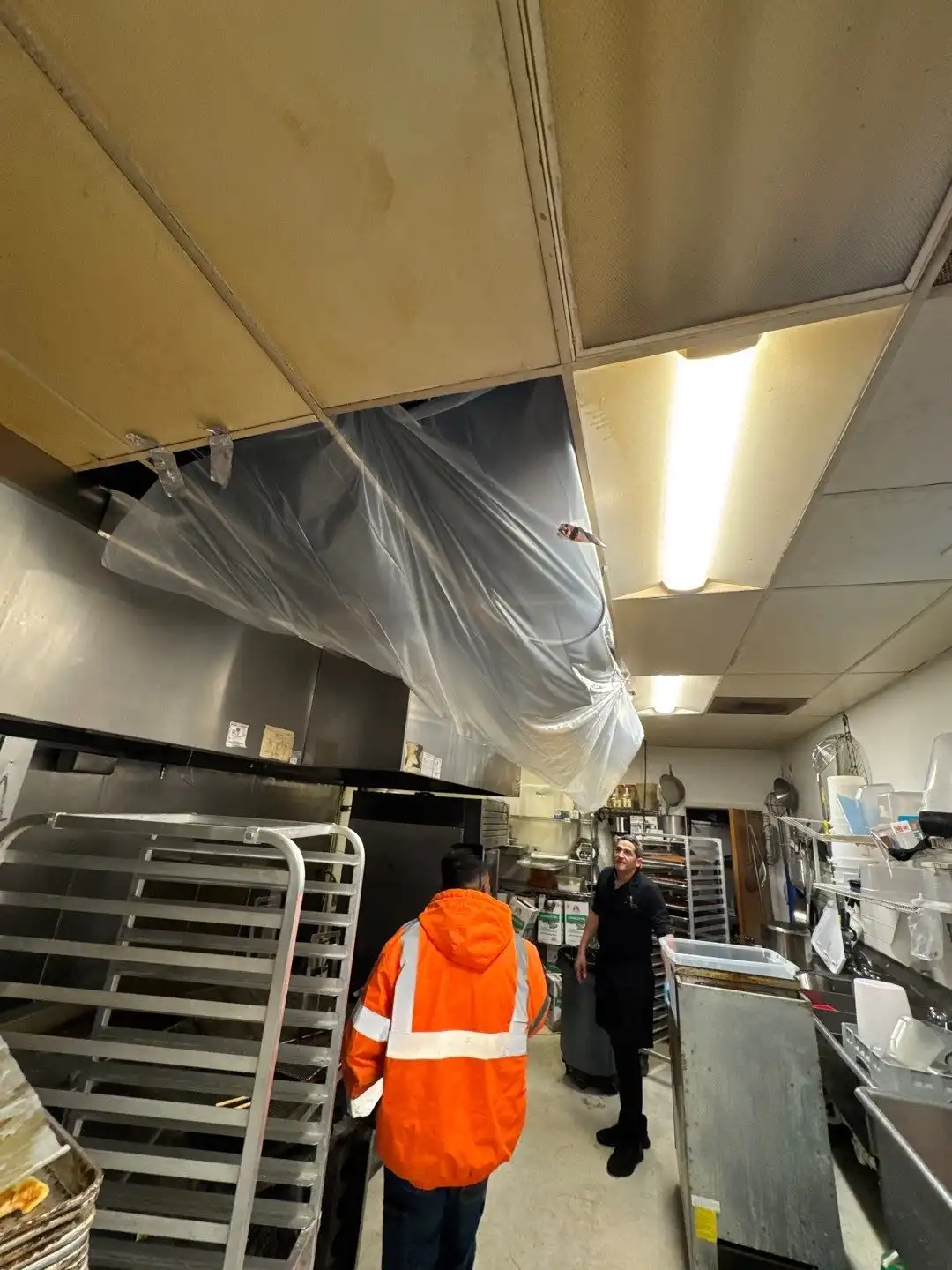
One of the most common forms of wind damage is lifted or torn membrane, where the wind has caught the roofing membrane and pulled it up, loosened it, or torn it. The membrane may be visibly billowing, lifted at the edges, or torn open, any of which compromises the roof. For a Crown Point building, lifted or torn membrane is a serious wind damage sign, since it exposes the roof to water intrusion. Even membrane that has been lifted and stressed without obvious tearing may have lost its attachment and integrity. This lifted or torn membrane is a primary form of wind damage to watch for, since the wind's force on the membrane is a common way roofs are compromised, and addressing it quickly is what keeps water out of the building.
Displaced Edge Metal and Coping
Wind damage often shows up as displaced edge metal and coping, the metal trim and caps along the roof's perimeter that the wind can lift, bend, or tear away. The edges are where wind forces concentrate, making the edge metal and coping vulnerable to displacement. For a Crown Point building, displaced edge metal and coping are common wind damage signs, since the perimeter takes much of the wind's force. When the edge metal is lifted or torn away, the roof's edge is exposed and water can get in, and the damage can progress to the field of the roof. This displaced edge metal and coping is a frequent form of wind damage, since the perimeter is where wind does much of its work, and restoring the edges is part of securing the roof against water.
Damaged Flashings
Wind can damage the flashings, the metal and material that seal the transitions at walls, curbs, and penetrations, lifting, bending, or tearing them away from where they protect the roof. Damaged flashings leave these vulnerable transitions exposed to water. For a Crown Point building, damaged flashings are a common wind damage sign, since the flashings at the roof's transitions can be caught and displaced by wind. When flashings are damaged, the points they protect become leak sources, letting water into the building at the transitions. This flashing damage is a frequent form of wind damage, since the flashings at the roof's many transitions are vulnerable to wind forces, and repairing them is part of restoring the roof's defense at its critical sealing points after a windstorm.
Blown-Off Sections
In more severe cases, wind damage includes blown off sections, where the wind has torn away portions of the roofing entirely, leaving the underlying structure exposed. Blown off roofing is dramatic and obvious damage that leaves a clear opening for water. For a Crown Point building, blown off sections are among the most serious wind damage signs, since they leave the building directly exposed to the elements. The exposed area lets water pour in and needs immediate temporary protection followed by repair. This blowing off of sections is the most severe form of wind damage, since it removes the roofing entirely from an area, exposing the building, and it requires the fastest response to cover the opening and protect the interior from the water intrusion that follows.
Debris Impact Damage
Wind drives debris, and that debris can damage a roof on impact, puncturing the membrane, denting metal, or otherwise harming the roof where it strikes. Wind driven branches, materials, and objects can cause damage separate from the wind's direct force on the roof. For a Crown Point building, debris impact damage is a common consequence of high winds, since the wind carries objects that strike the roof. The impacts can create punctures and damage that let water in, sometimes in places not obvious from the ground. This debris impact damage is a form of wind damage to check for, since the debris a windstorm drives can harm the roof on impact, creating leak points that need to be found and repaired along with the wind's direct damage to the roof.
Hidden Damage After Wind
Not all wind damage is obvious, and some of the most important damage is hidden, membrane that has been lifted and stressed without visibly tearing, loosened attachments, and compromised seams that do not show clearly from the ground. This hidden damage can still let water in and lead to spreading problems. For a Crown Point building, recognizing that wind damage can be hidden is important, since the visible damage may not be the whole picture. A thorough inspection after a windstorm finds the hidden damage along with the obvious. This hidden damage after wind is why a proper assessment matters, since the wind's effects on a roof are not always visible, and finding the hidden damage is what allows the full extent to be addressed and the building protected after a windstorm.
Recognizing Wind Damage
Wind damage shows up as lifted or torn membrane, displaced edge metal and coping, damaged flashings, blown off sections, debris impact damage, and hidden damage that does not show clearly. Recognizing these signs, and getting a thorough inspection, is the first step to protecting a Crown Point commercial building after a windstorm.
Get Your Wind Damage Assessed Fast
Think wind may have damaged your commercial roof? Call Crown Point Commercial Roofing at (765) 676-3491 for a fast response and a thorough inspection of your Crown Point building. We identify both the obvious and hidden wind damage, provide temporary protection, and carry out lasting repairs to protect your building.